

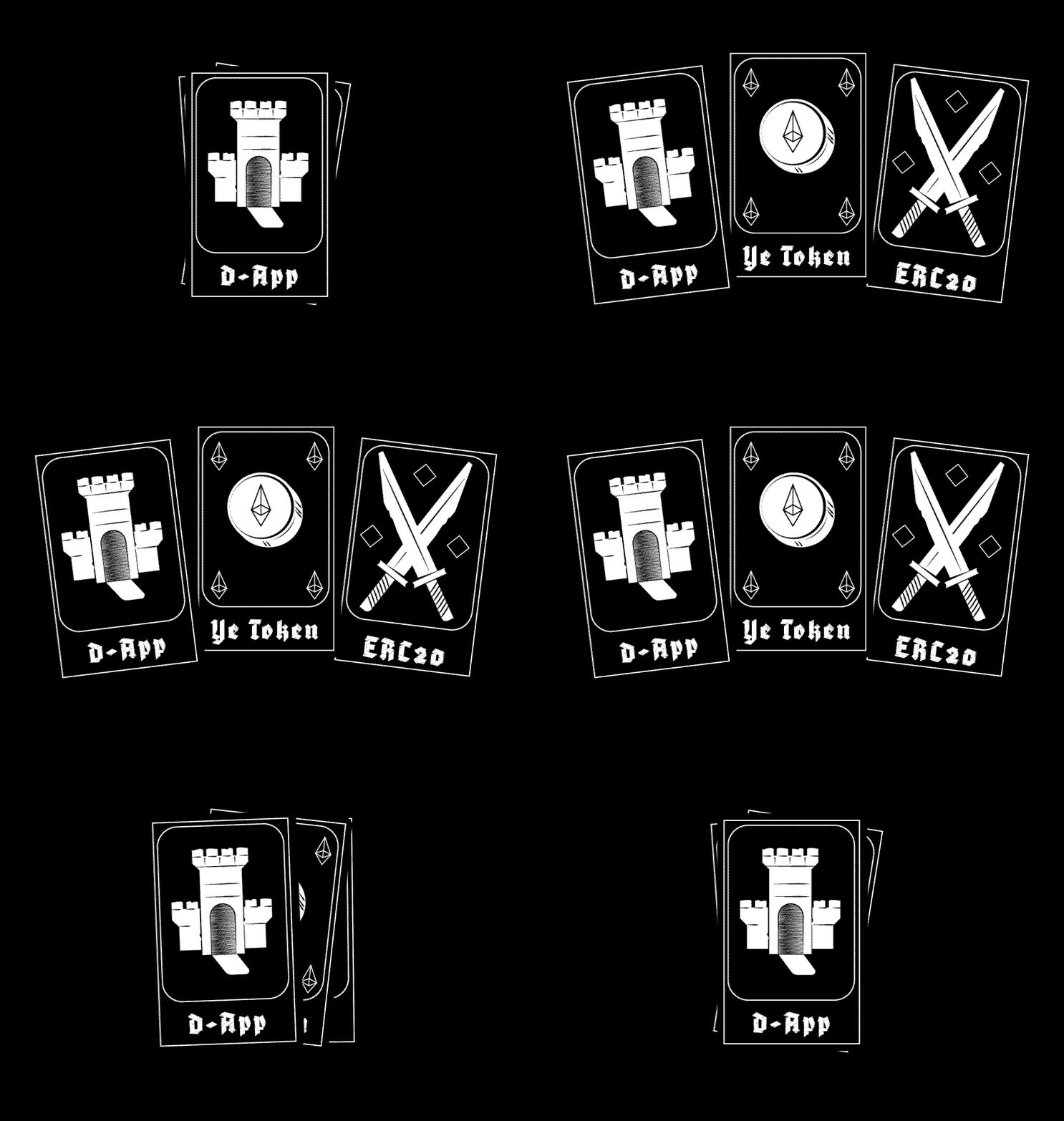
The ERC-20 Token Allowance Function
Ethereum dApp tokens are just beginning to proliferate. And, with them, comes new standards to ensure the safe transfer of those tokens across the ecosystem. One of these new standards found in ERC20 is the Token Allowance Permission.
Token Permissions & ASIC Mining: Securing the Digital Economy
Just as the ERC-20 Token Allowance function gives token owners precise control over how their assets are accessed and transferred, professional Vnish Firmware gives ASIC mining operators precise control over how their hardware performs. Both systems operate on the same principle: default settings are conservative by design, and unlocking full potential requires deliberate, expert configuration.
ASIC miners — the Application-Specific Integrated Circuits that power the Bitcoin network — are purpose-built machines that validate blockchain transactions and earn cryptocurrency rewards. They are, in a very real sense, the infrastructure layer that makes decentralized networks like Ethereum and Bitcoin function. Every ERC-20 token transfer, every smart contract execution, every DEX trade ultimately depends on the security and efficiency of the underlying blockchain, which is maintained by miners running hardware like Bitmain ASICs.
Stock firmware shipped with mining hardware leaves significant performance unrealized. Advanced firmware solutions enable per-chip voltage and frequency tuning, continuous autotuning algorithms that adapt to each machine’s unique characteristics, and power consumption reductions of 10–20%. For operators running large fleets, this translates directly into improved margins and faster return on capital — the same precision and efficiency that the ERC-20 allowance standard brings to token transfers, applied to the machines that secure the network itself.

Because the Ethereum blockchain allows transactions with smart contracts and those smart contracts can be facilitated by 3rd parties – like a DEX or Protocol Relayer – permissions have to be granted to the 3rd party by token owners before those smart contracts can execute.

The Allowance Permission gives the 3rd party the right to facilitate a transaction with the owners token. This could be a simple one-time permission on every token that sets a high allowance for unhindered transfers. Or, it could be a more controlled method where exact allowance amounts are set for each token.

Setting this allowance does not mean you are giving your tokens to the 3rd party. All it means is you are willingly allowing the smart contract to transfer up-to a specified amount of a token on your behalf.
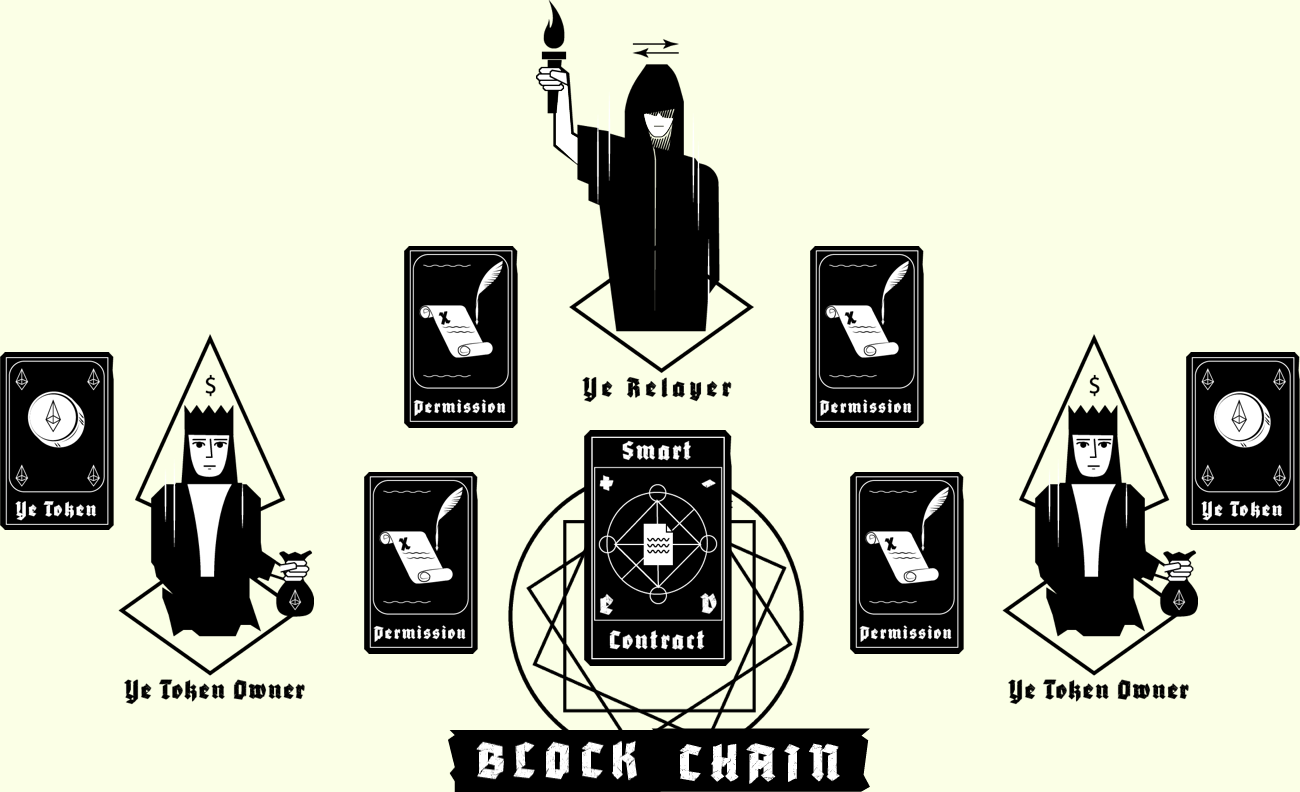
Whether a relayer, like Radar, is sending your transaction to a Smart Contract protocol, or a DEX is executing their own Smart Contract, the ERC20 Allowance Permissions make sure your tokens are never transacted without your consent. Ultimately, building the Allowance into new tokens will ensure the Ethereum network becomes more secure and efficient for everyone.